My Nature Eye
Poisoned waters, empty homes, mankind’s hunger for consumerism. I see it around every corner, every strip of pavement, and with it, I feel anxiety’s familiar grip around my stomach—a pit of guilt and distress. I fear I won’t get to live in the world I grew up in, and that my future children won’t see the wonders I have seen. The overwhelming uncertainty of what is to come and the inability to prevent it all weigh heavily on me. This is eco-anxiety, something that, as I’ve grown older, I’ve often pushed to the back of my mind. I still don’t know how to properly manage this stress and fear, but as I’ve started this project, the anger about the state of our planet floods back
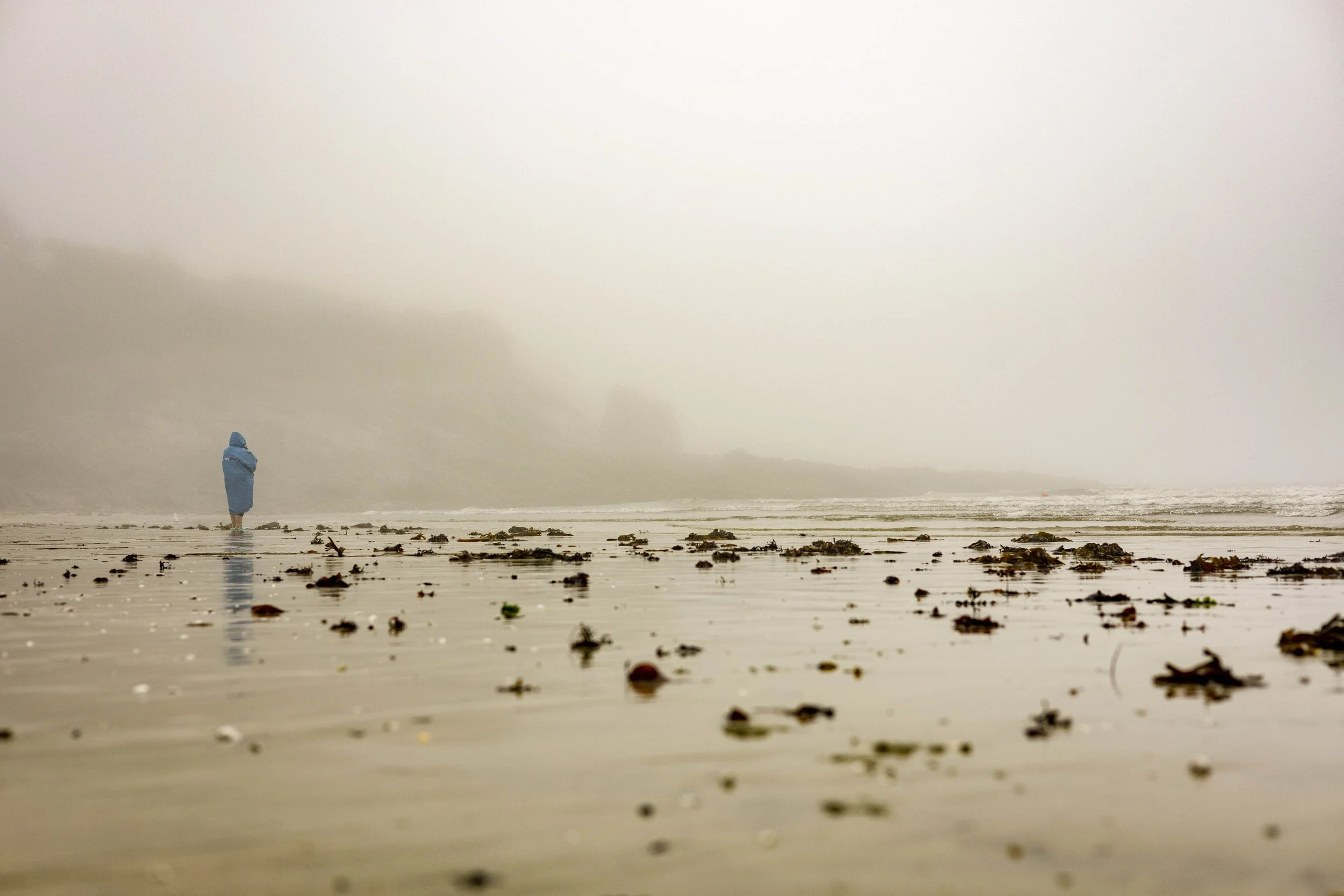
I initially set out to write an article about South West Water dumping sewage into our oceans. But as I arrived at the beach, one that had received a sewage dump warning no more than six hours earlier, I stopped and noticed a woman standing still, staring out at the ocean. She didn’t move, turn her head, or even sway her arms. She was completely still and emotionless.
I sat and watched her for a while, wondering what she was thinking. Why wasn’t she going into the water? Perhaps she was afraid of getting sick from the pollution, or maybe she was simply too cold. I’ll never know what she was thinking, but it didn’t matter.
Watching her stand there in deep reflection over the ocean reminded me of a younger version of myself, a version that, five years ago, looked at the sea the same way: riddled with fear and distress. Back then, I felt such anguish, seeing something I loved so much being tainted by the way the world was and wondering why.
Since then, I’ve tried to run from that feeling, to spare myself the constant weight of my own dejection. But I’ve been reminded by this woman that these fears are still prominent, not just for myself, but for others too. If there is ever a time to talk about this issue, it’s now.
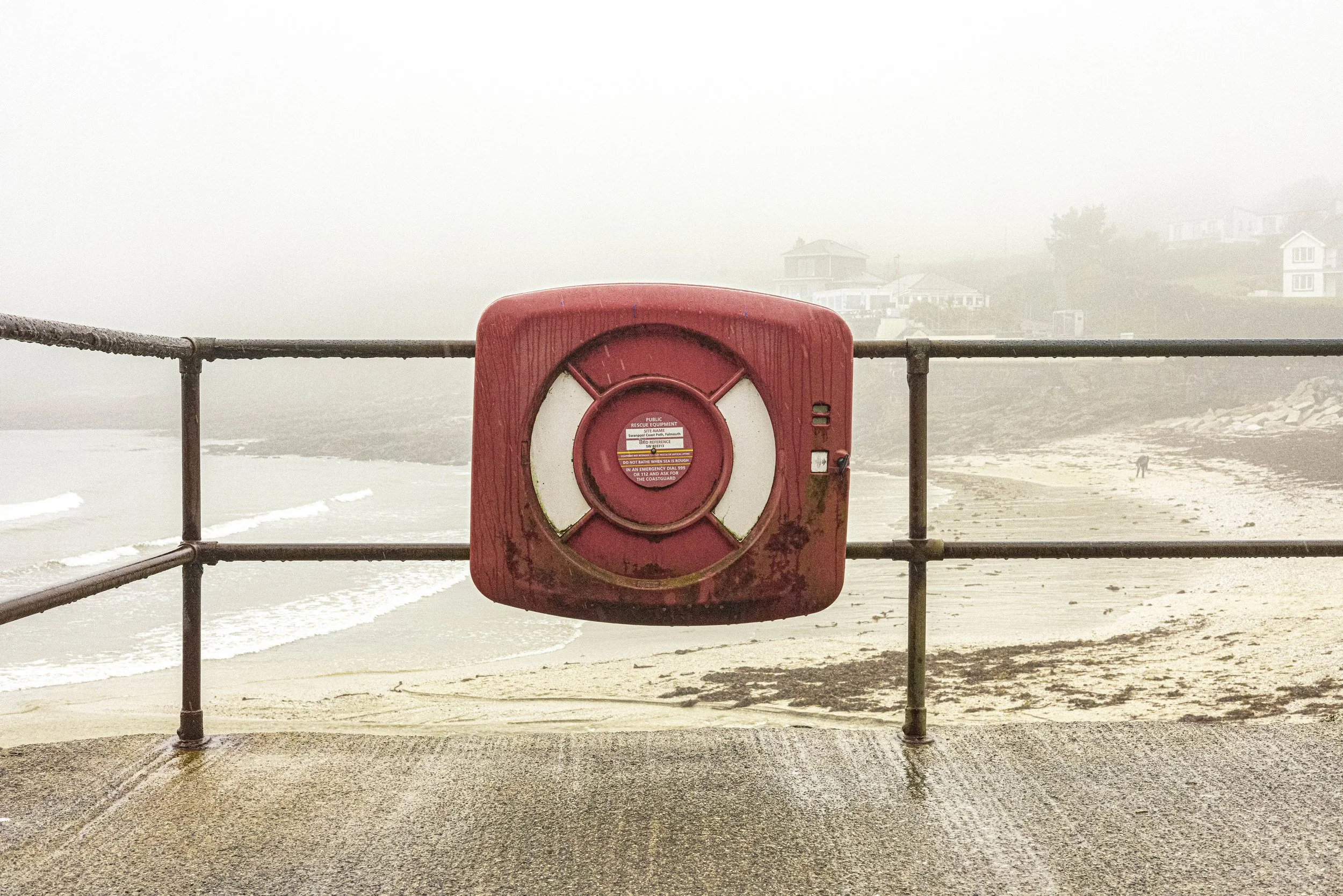
As I walked along the beach, I stared into the water running off into the ocean, brown, with the profound smell of sewage. I thought of the birds that feed there and the children splashing around in the shallow stream connecting land to sea. All of a sudden, all I could notice was the abundance of human interference around me. What was once a perfect ecosystem is now suffocated by metal railings, cement pavements, car parks, and roads. A lifebuoy left and forgotten. All made with good intentions, but these things will remain long after we’re gone. And what good will it do then?
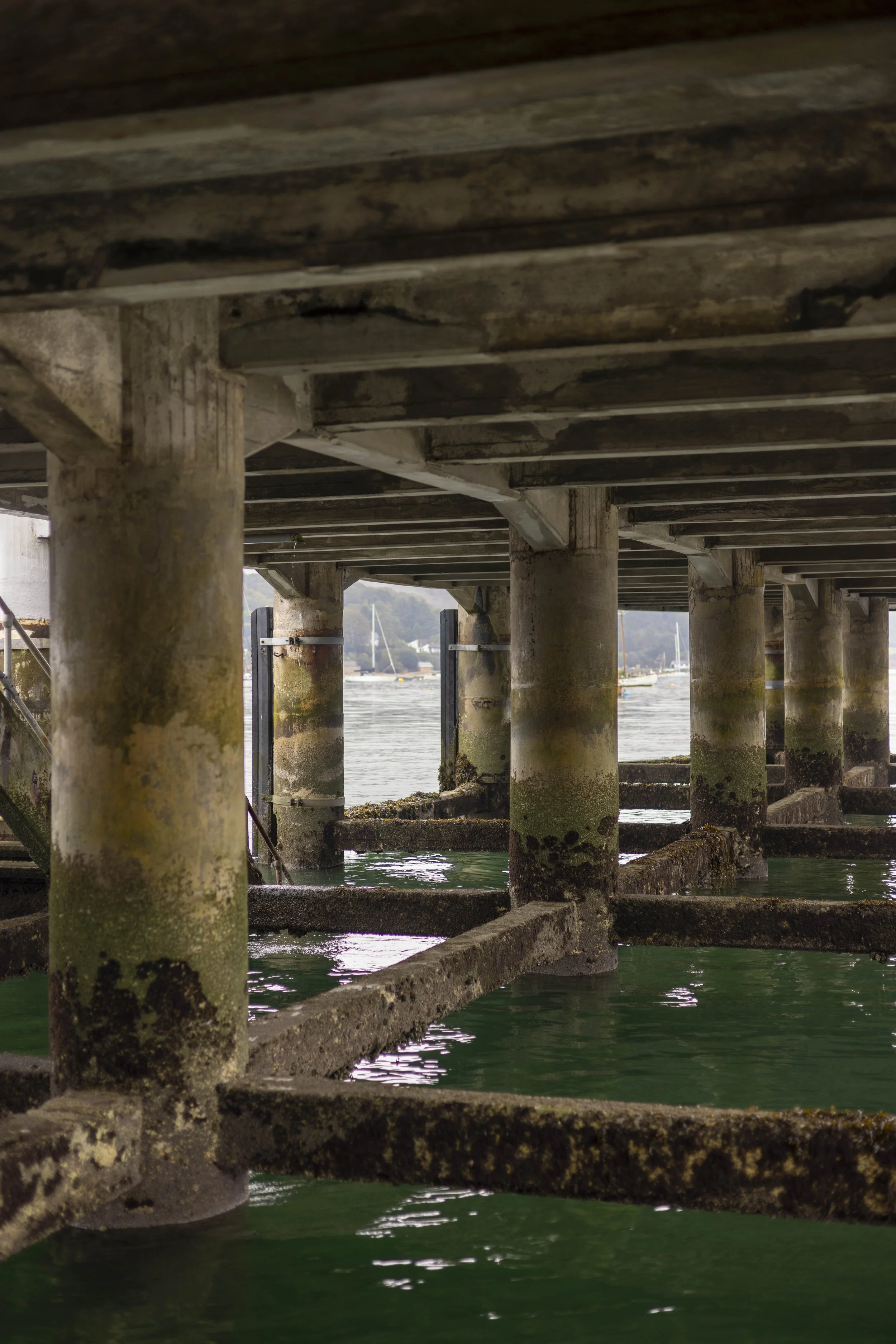
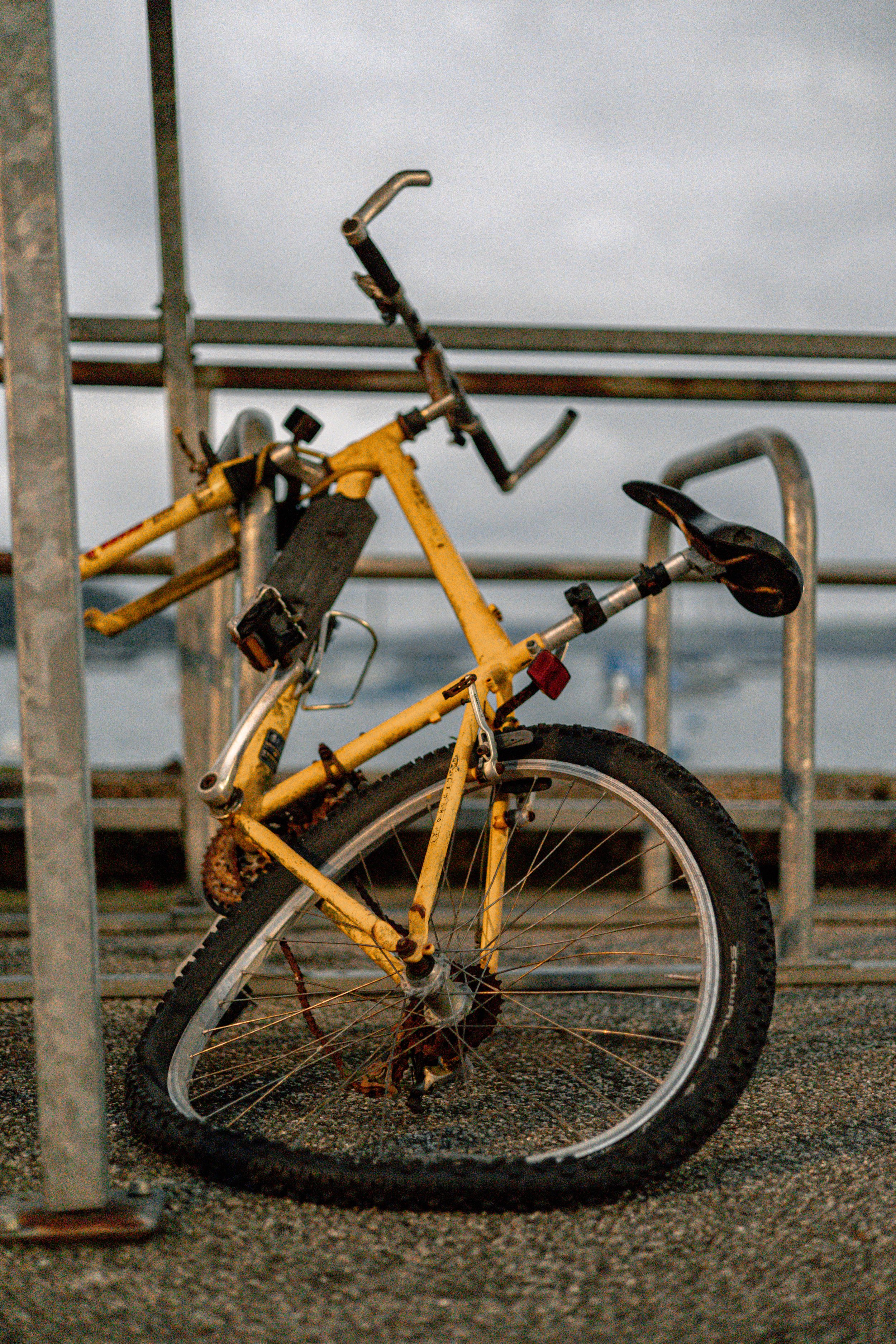
I continued my journey into town, walking along the harbour, and watching seagulls chew through plastic bags for food instead of fishing in the ocean. A convenient by-product of our desire for a quick bite. Beams, bikes, and buoys slowly wear away, ignored and neglected by the world around them.
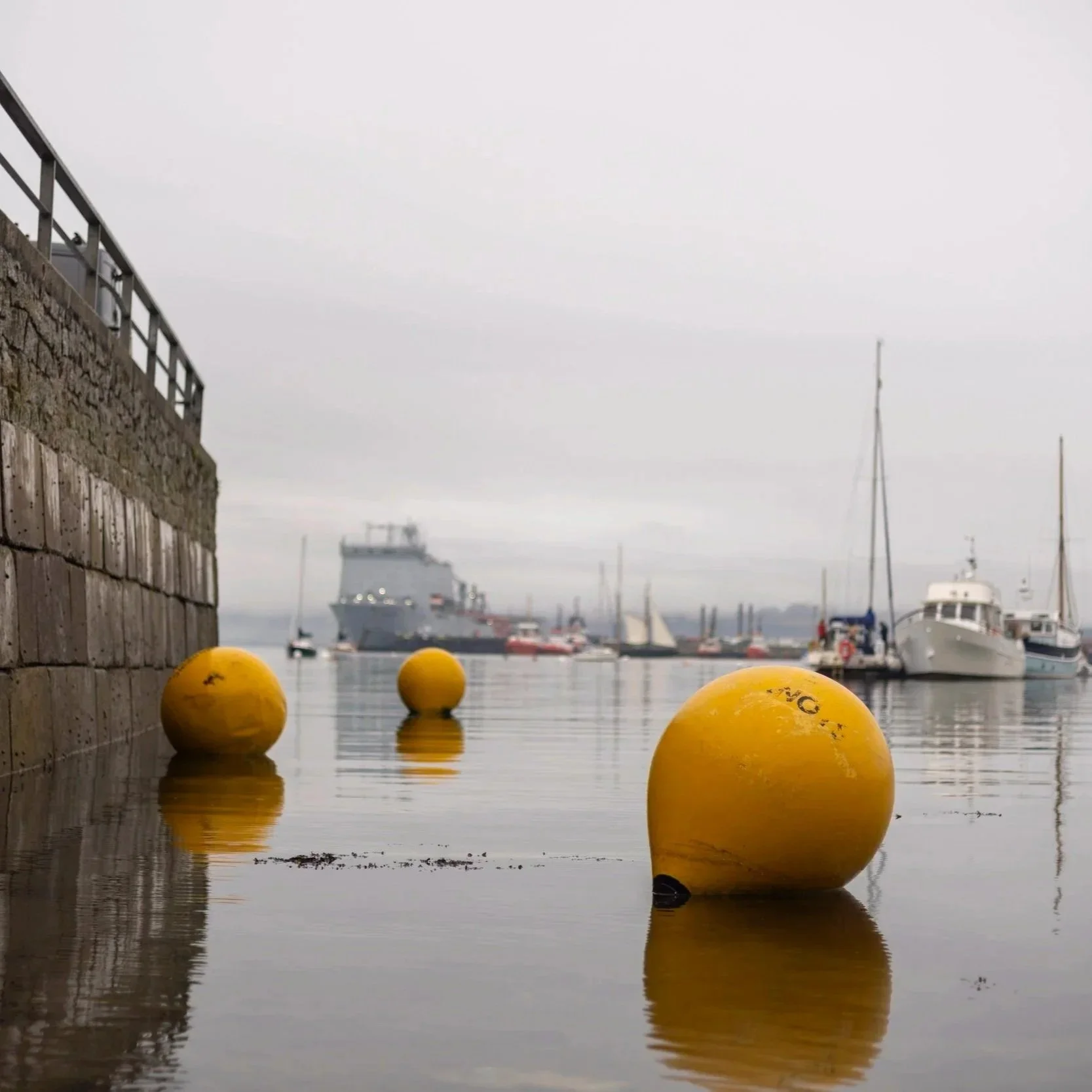
I think to myself, “We are cosmetically altering the face of our planet for our convenience. Stabbing her with metal pipes and beams where trees once grew, and terraforming entire forests, replacing them with cement.” As true as my thoughts may be, this way of thinking isn’t healthy. It’s this train of thought that had once forced me to stop caring for the planet.
After hours of self-reflection and my bi-weekly sessions with my counsellor, we decided I needed an escape. Something that makes me see the world from a new, more positive perspective while giving my brain a moment of relief from the stresses of my anxiety. For me, that escape is diving. something I’ve been doing for years but never thought to use as a tool to cope with eco-anxiety.
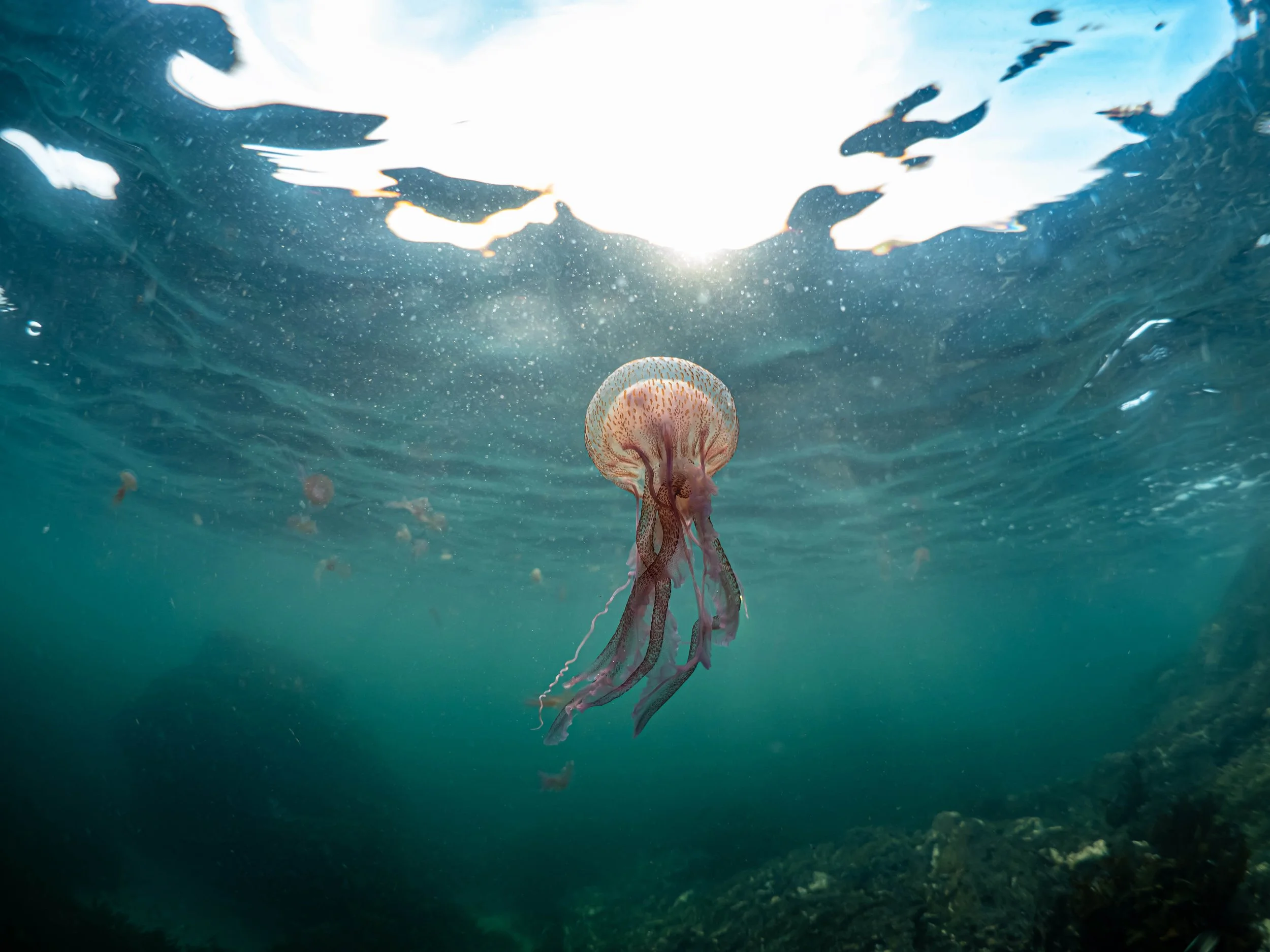
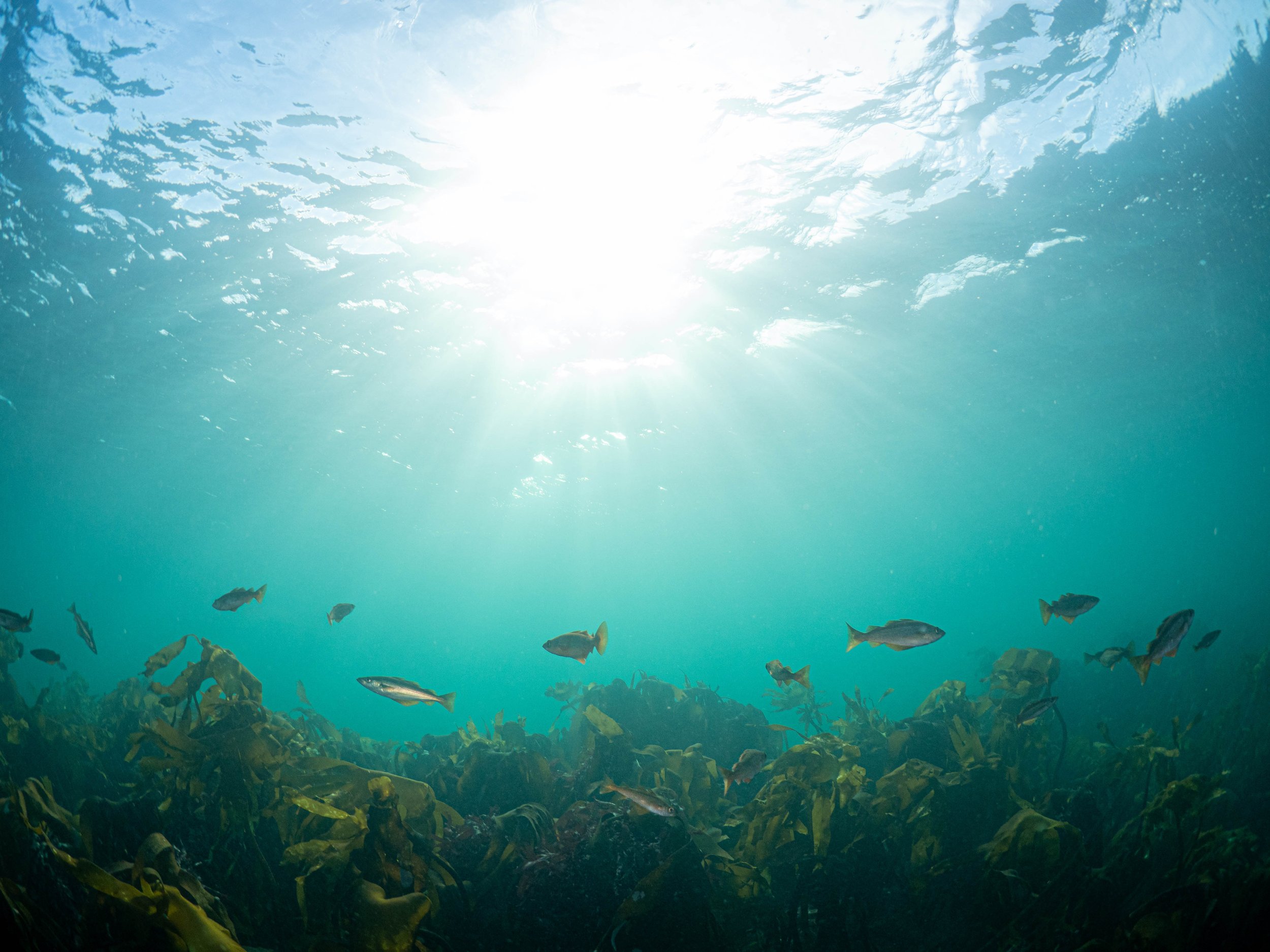
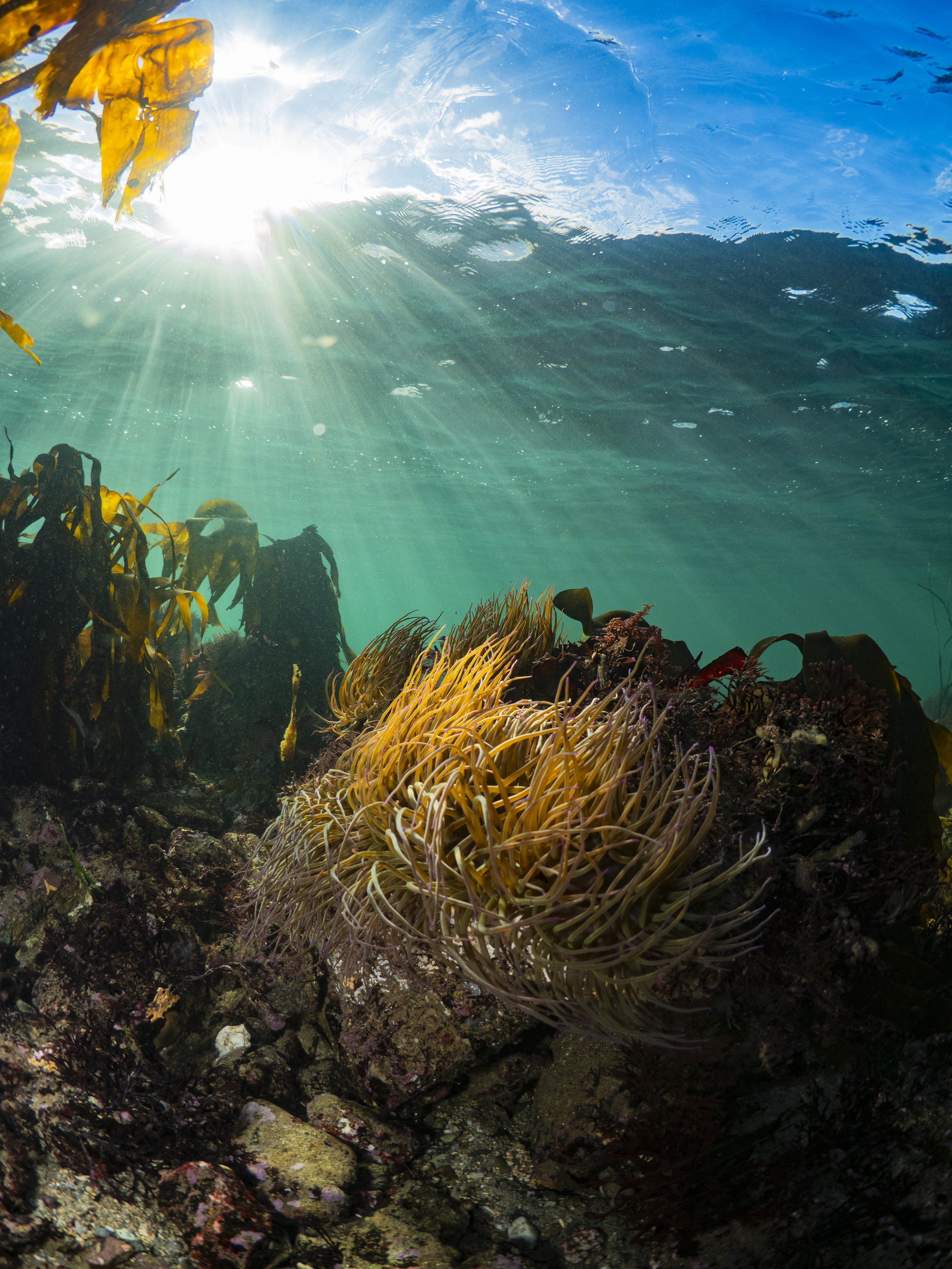
When I dive, I feel like I’m so far away from the rest of the world. The surface of the water is a portal to another planet. There are no roads, no buildings, no signs of human life anywhere. And with every visit, I see more life than ever before, schools of fish swimming between the sunrays. Forests of seagrass, seaweed, and snakelock anemones. After a while, I started noticing life on a microscopic level, small groups of baby lobsters floating in the shallows or tiny nudibranchs eating kelp. Down there, I feel completely absorbed by the abundance of life living in a balanced society. Down there, I feel free.
The slight compression of the water feels like a protective hug. And find comfort in the sound of bubbles rising past my ears as I exhale air from my lungs. With every bubble, I expel all my negative thoughts. As my lungs begin to empty, it’s time for me to return to the surface—back to my world of messes. But returning to the surface enforces a balance, reminding me that my world up top can look like theirs below. I can feel free all the time if we care for planet Earth. It used to be free once, and it can be again, in a way that supports our lives as much as we support Mother Nature. A biophilic future.
There needs to be a stronger push for sustainable living. There needs to be someone who will listen. For now, small hands around the globe are coming together, doing the best they can for the environment. Yet, I still feel we are unable to sway large corporations. Companies continue tearing down rainforests and burning oil to produce neat and polite packages for the latest iPhone—ready to be bought year after year with no real change. Despite the challenges ahead, I’ve been learning to better manage my rediscovered eco-anxiety. I’m rewriting how I see the world without losing focus on the environmental issues that truly matter.